Mobility

Strong Signals
for the Railways

North-South, West-East: Germany's most important rail corridors should deliver top performance as central axes of mobility. Not an easy task given the country's highly dense transportation infrastructure. However, initiatives and innovations in the industry as a whole indicate: the journey towards the future can be made in stages.

05/2026
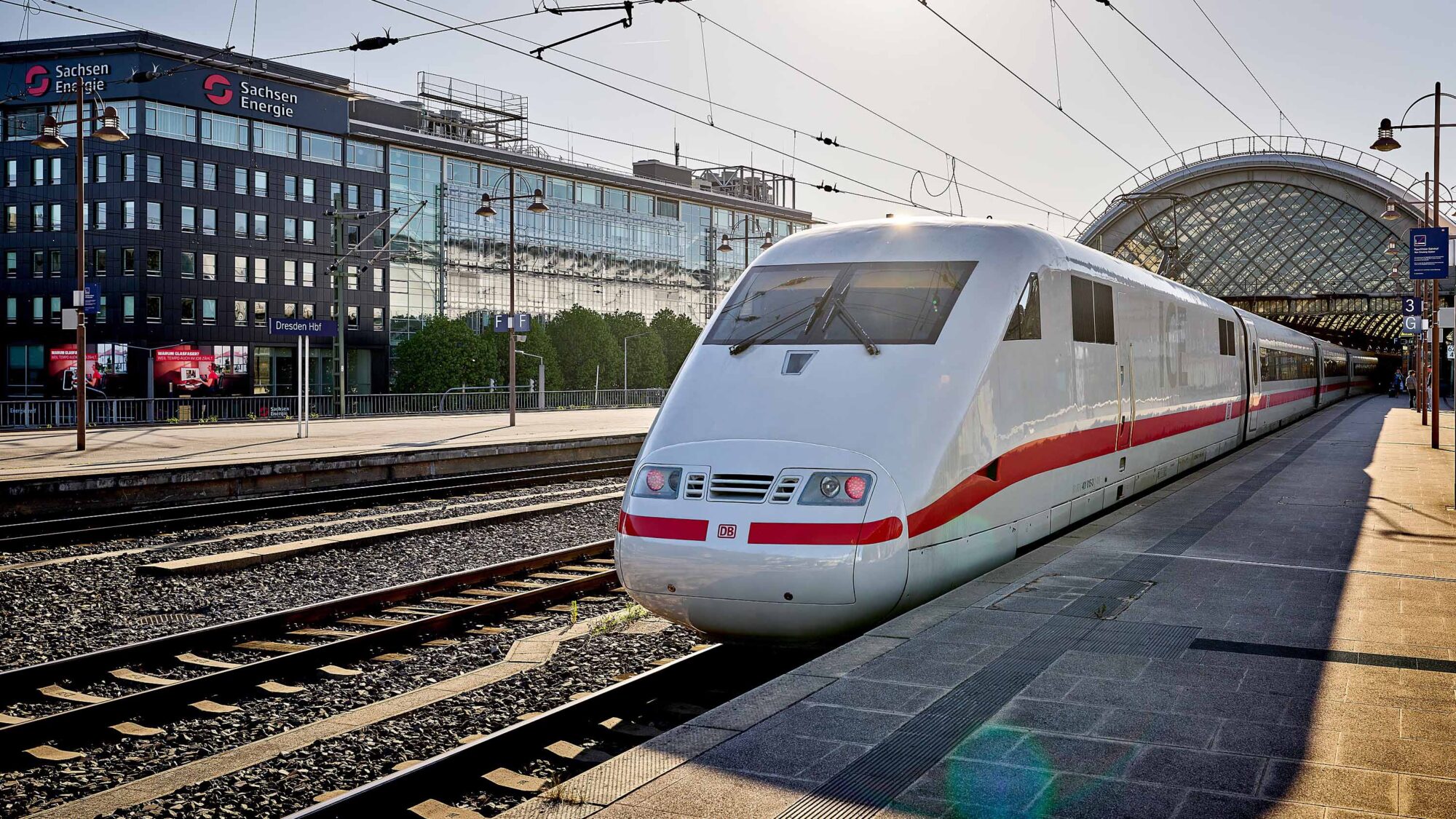
The nation needs Deutsche Bahn and its virtually nationwide infrastructure: rail transport forms the backbone of mobility in the transportation of people and goods. It is of great importance in terms of climate policy, but at the same time it struggles with structural challenges.
The nation needs Deutsche Bahn and its virtually nationwide infrastructure: rail transport forms the backbone of mobility in the transportation of people and goods. It is of great importance in terms of climate policy, but at the same time it struggles with structural challenges.Porsche Consulting/Marco Prosch

Germany’s rail transport needs a new, comprehensive infrastructure for passenger transport and also for freight transport. A future of high performance instead of high strain. The rail industry and the railroad companies are willing to cooperate. They share their perspectives in Porsche Consulting Magazine. “The most important thing is modernization and the associated systematic digitalization of the infrastructure. Long-distance rail transport has enormous potential and the demand for it is huge. Now it becomes important to minimize the number of delays and make the service more reliable overall. Investments in the rail network are essential for this,” says André Schwämmlein, Co-founder and CEO of the Munich-based company Flix – known for its green buses in long-haul road transport and also for Flixtrain on the rails.

Bus and rail operator André Schwämmlein, Co-founder and CEO of the Munich-based company Flix.
Bus and rail operator André Schwämmlein, Co-founder and CEO of the Munich-based company Flix, has ordered 65 high-speed trains for passenger transportation. The manufacturers are Talgo (railway cars) and Siemens (Vectron locomotives).Flixtrain

Billions for fast trains

André Schwämmlein and his team are currently thinking big, also thanks to confident investors. In May 2025, Flixtrain ordered 65 high-speed trains for passenger transport. The company reports a contract volume of 2.4 billion euros, including specific maintenance services. The suppliers of the trains that travel at speeds of up to 230 kilometers per hour (140 mph) are the Spanish manufacturer Talgo (railway cars) and Siemens (Vectron locomotives). Germany’s Federal Minister of Transport, Patrick Schnieder, praised the project when it was announced: “The fact that a German tech company is investing on this scale sends a strong signal to the rail market,” said the politician. This is clear, but now the signals for digital rail need to be switched to green quickly. Otherwise, even the newest trains will not be able to freely develop their technological performance.

Schwämmlein, who launched his company as a start-up in 2013, was soon awarded the prestigious German Founder’s Award (Deutscher Gründerpreis) and describes Flix today as a travel tech company, is confident about rail infrastructure. He says, “First and foremost, we need a commitment from politicians and we are seeing that. I sense a spirit of optimism in the current government. It has been clearly understood that rail is essential for the future of mobility in Germany and that investments must be made.” The Flix boss has high hopes for the rail strategy: “The Ministry of Transport has set itself the goal of successful digitalization in various areas. It is the task of politicians to shape these measures in concrete terms and to bundle them where necessary.”
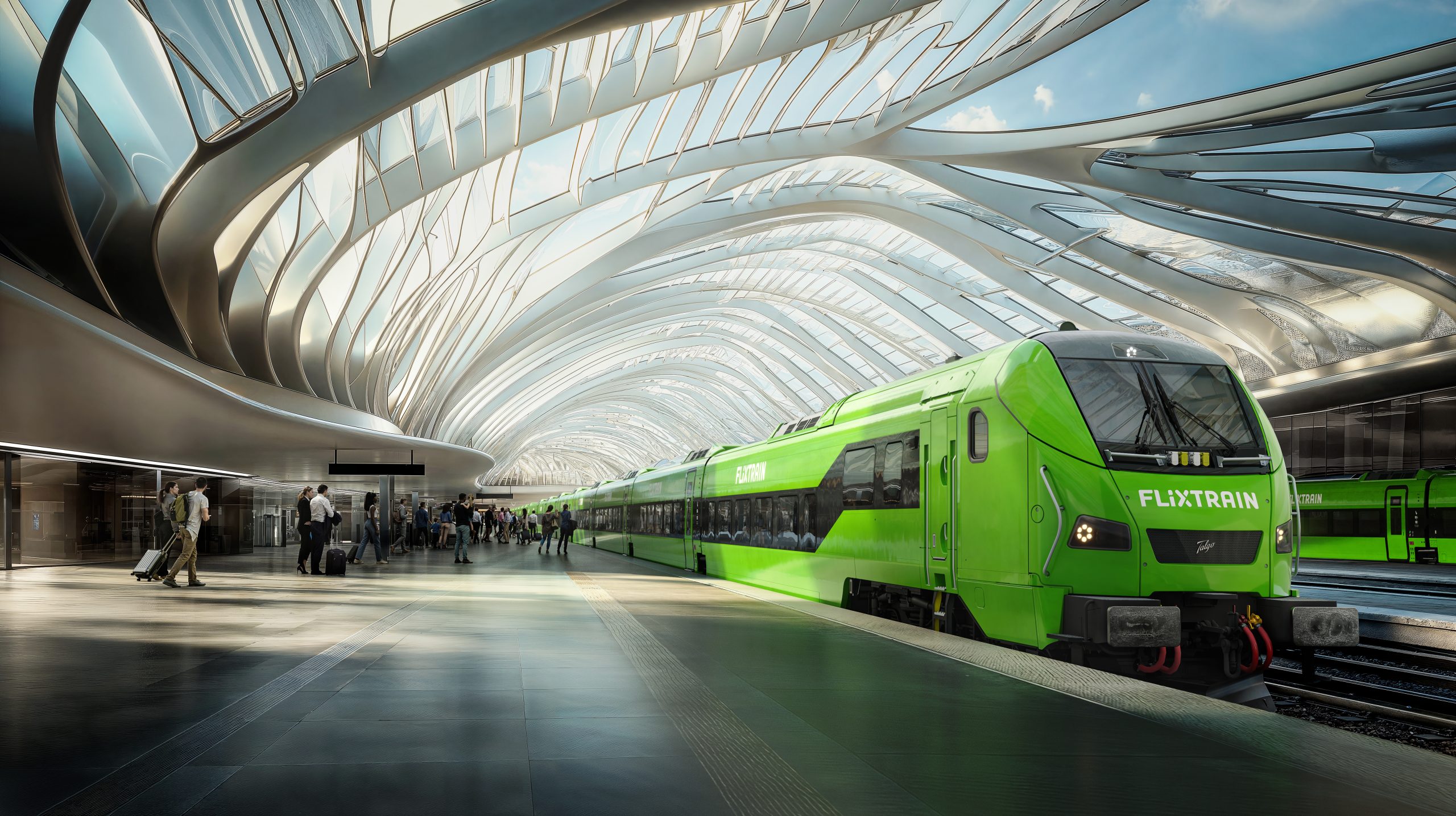
As a competitor on the German rail network, Flixtrain initially operated with just one fleet. The Munich-based company is now investing in 65 high-speed trains with a total value of 2.4 billion euros. Passengers will be able to travel at speeds of up to 230 kilometers per hour (140 mph).
As a competitor on the German rail network, Flixtrain initially operated with just one fleet. The Munich-based company is now investing in 65 high-speed trains with a total value of 2.4 billion euros. Passengers will be able to travel at speeds of up to 230 kilometers per hour (140 mph).Flixtrain

André Schwämmlein knows that the needs of passengers, their views, and their assessment are decisive for passenger transport: “For the rail system to be successful, it needs customer-oriented solutions. This means simple, uncomplicated, and digital booking, attractive timetables and a good product on the rails themselves.” The CEO takes Flix’s commitment in stride: “We believe that competition is crucial to making the offer as such more attractive.”

Timing is crucial

Many partners in the rail industry are working to make rail transport more attractive – including Hitachi Rail. The Europe-based mobility unit of the Japanese conglomerate Hitachi is currently modernizing and digitalizing numerous routes and hubs of the German rail infrastructure. It uses its own technology, which has been developed and manufactured in Germany for many decades. For Isabel Vollers, CEO and Country Director of Hitachi Rail Germany since October 2025, the key question is: “How do I get the maximum capacity on our country’s existing infrastructure?” She says, “You cannot simply build more tracks in Germany’s already very dense transport and urban infrastructure. We need higher and reliable cycle times on the existing infrastructure. We can achieve this with ETCS, digital interlocking technology, and an integrated control and operating system as an interface between people and machines.” The European Train Control System (ETCS) replaces conventional track signals with digital signaling technology. For example, it transmits driving commands and speed limits directly to the locomotive cab so that the train driver can drive more precisely. Thanks to real-time communication between trains and infrastructure, ETCS improves safety, increases reliability, and boosts the capacity of the existing rail network.

Isabel Vollers, CEO and Country Director of Hitachi Rail Germany.
“The central question is: how do I get the maximum capacity on the existing infrastructure? It is not so easy to build more tracks in Germany's already very dense transport and urban infrastructure,” says Isabel Vollers, CEO and Country Director of Hitachi Rail Germany since October 2025.Hitachi Rail

Joint initiatives are key

For rail expert Marc Zacherl, Senior Partner and Head of Transportation at Porsche Consulting, one thing is clear: “The digitalization of rail in Germany is indispensable. It is necessary due to fragmented isolated solutions, outdated technology, demographic change, and to achieve growth and capacity targets. In addition, digitalization is an important contribution to improving punctuality.” Consultant Marc Zacherl believes that the top management of the entire rail industry, together with the rail transport companies, have a duty to ensure a successful transformation. He recommends close cooperation between the parties involved, whereby the German government must create the necessary framework conditions.
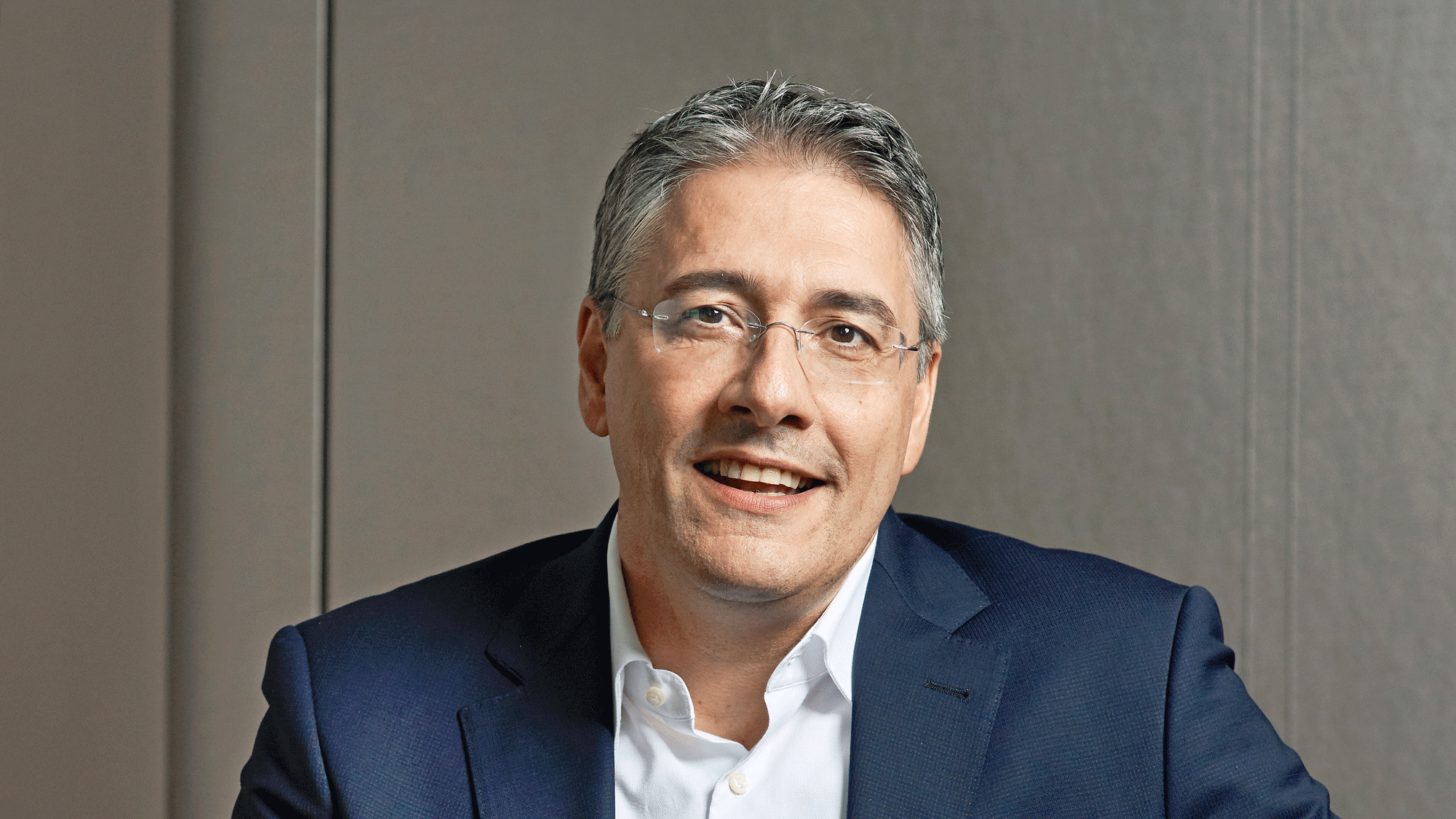
Marc Zacherl, Senior Partner at Porsche Consulting.
Marc Zacherl, Senior Partner at Porsche Consulting and Global Lead Transportation, has been advising the rail industry and transportation companies, primarily in Germany and Europe, with his specialized teams for many years.Porsche Consulting

Marc Zacherl focuses on three main initiatives: “Firstly: the digitalization of infrastructure and vehicles. Infrastructure expansion must be reliably planned and financed. Government financing programs should secure these medium-term plans and enable the involvement of private capital. It is also necessary to develop a cross-border master plan to set the guard rails for rail transport. Secondly: Europe-wide standards must be established. A legal framework should support the digitalization of rail transport, in particular through harmonized requirements for automation and digitalization. Thirdly: innovations should be encouraged. Specific incentives for the development and application of new technologies are necessary. This also includes funding programs for start-ups that develop innovative solutions and pilot projects to evaluate new technologies.”
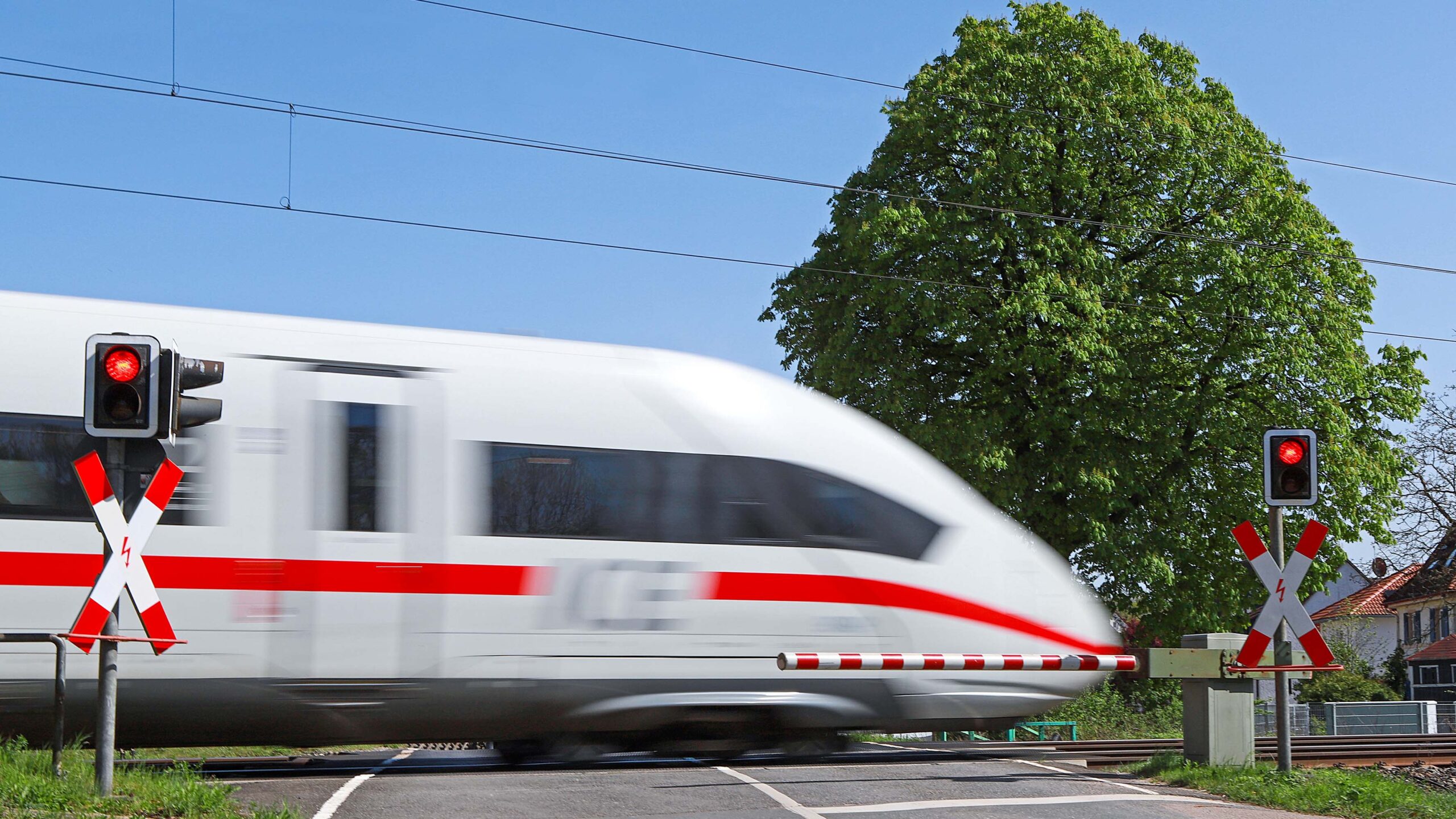
Reality instead of the future: the ICE high-speed train passes a level crossing with a barrier on a country road. Modern infrastructure with tunnels and bridges make rail transport safer and faster.
Reality instead of the future: the ICE high-speed train passes a level crossing with a barrier on a country road. Modern infrastructure with tunnels and bridges make rail transport safer and faster.Deutsche Bahn

The timetable extends to 2050

Dr. Heike van Hoorn, Managing Director of the German Transport Forum (Deutsches Verkehrsforum, DVF) takes a similar view. The trade association has 160 member companies representing various modes of transport. Heike van Hoorn: “There can be no further delays. ETCS must be rolled out systematically across the board. This includes equipping the corridors that are to be modernized with ETCS as soon as possible. After all, Germany is subject to an equipment mandate based on European regulations that it also helped to create. Germany is miles away from these jointly agreed targets. The timetable envisions equipping the European core network with ETCS by 2030, the extended core network by 2040, and the entire network by 2050. At the end of 2024, however, only 1.6 percent of the rail routes in Germany were equipped. Feasibility, cost-effectiveness, and functionality have long been proven in operation at home and abroad, for example, on the new Erfurt-Leipzig/Halle line.”

Heike van Hoorn is Managing Director of the industry association Deutsches Verkehrsforum, DVF.
Heike van Hoorn is Managing Director of the industry association Deutsches Verkehrsforum, DVF. She says, “The ETCS digital train control system must be rolled out systematically across the board. This includes equipping the corridors that are to be renovated with ETCS as soon as possible.”Deutsches Verkehrsforum

Vehicle funding is also important to Heike van Hoorn: “Equipping vehicles with on-board units is a fundamental part of the system and must be supported financially. The rail transport companies cannot pay for this entirely out of their own pockets. Vehicle and infrastructure must be jointly designed.”

Interview

“Accelerate Implementation!”

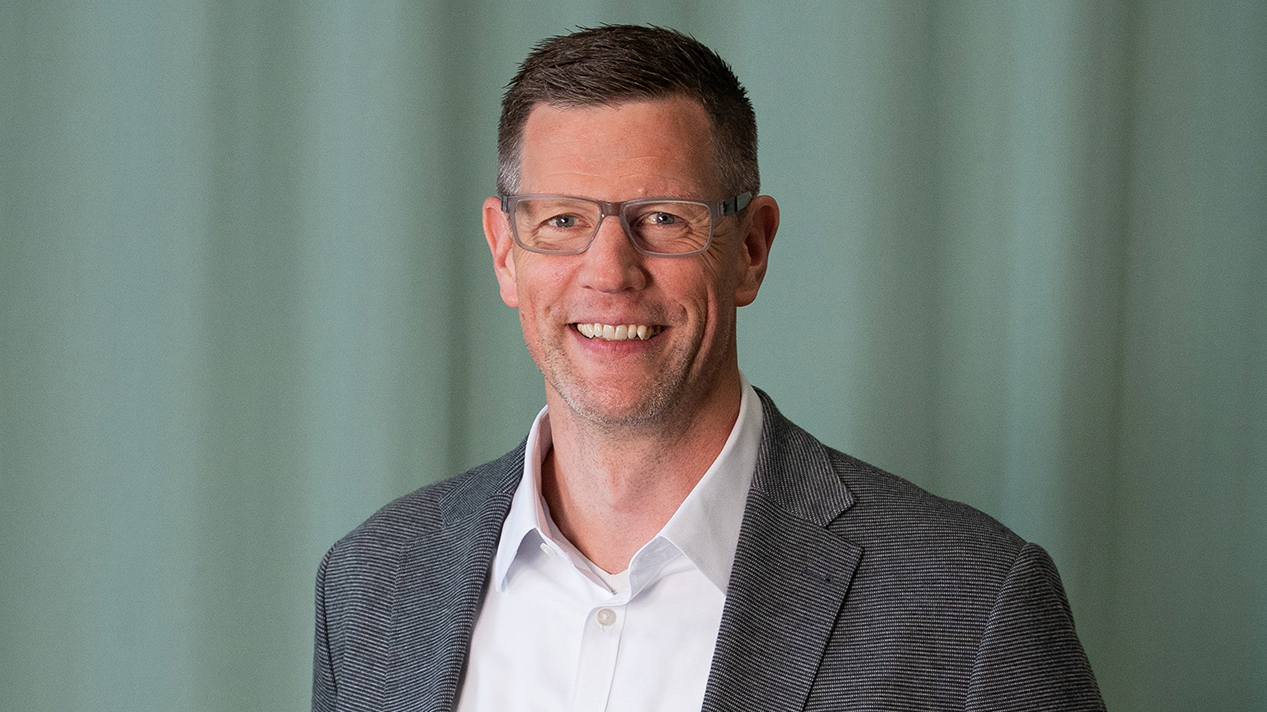
Marc Ludwig, CEO Rail Infrastructure, Siemens Mobility GmbH.
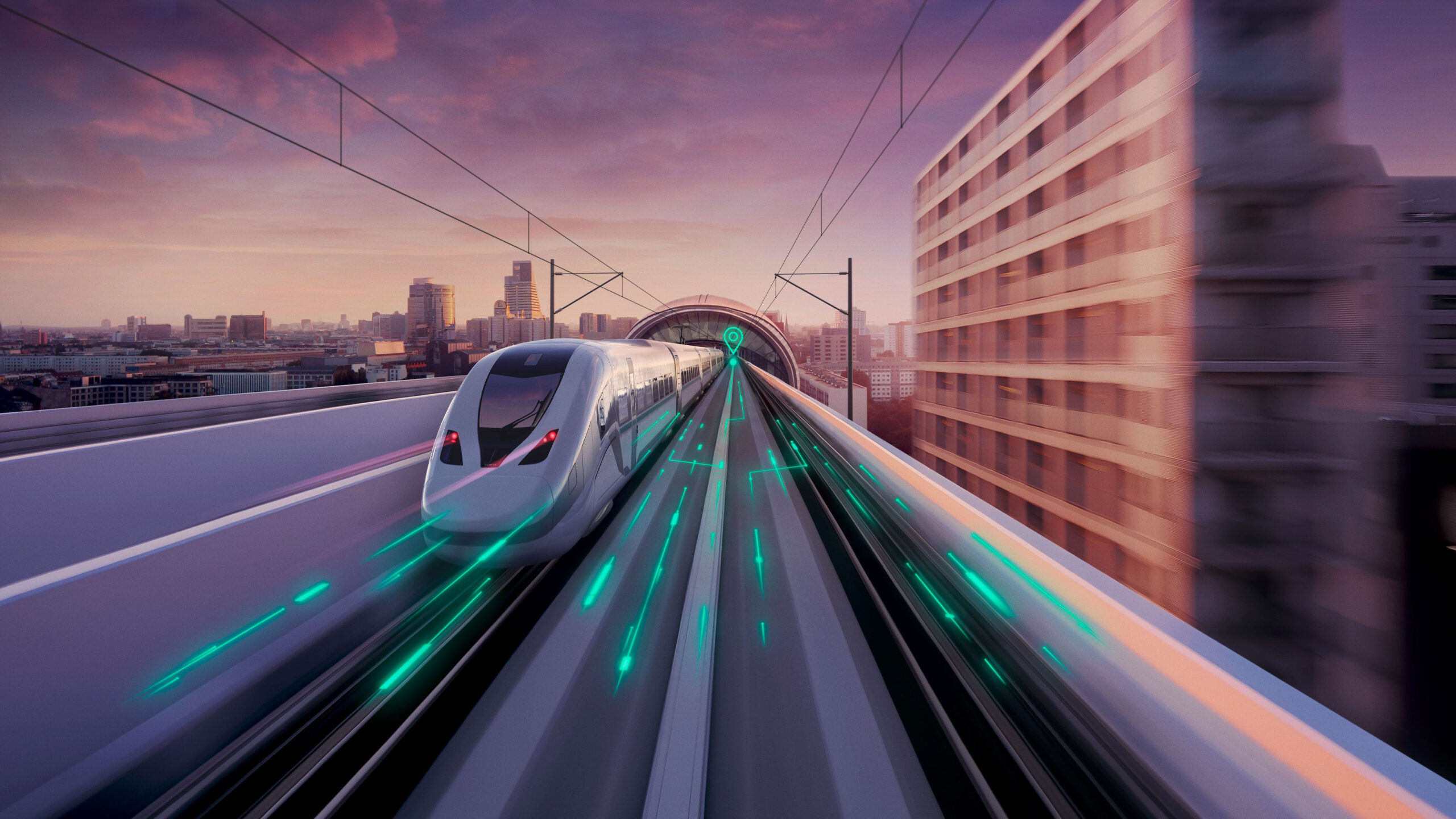
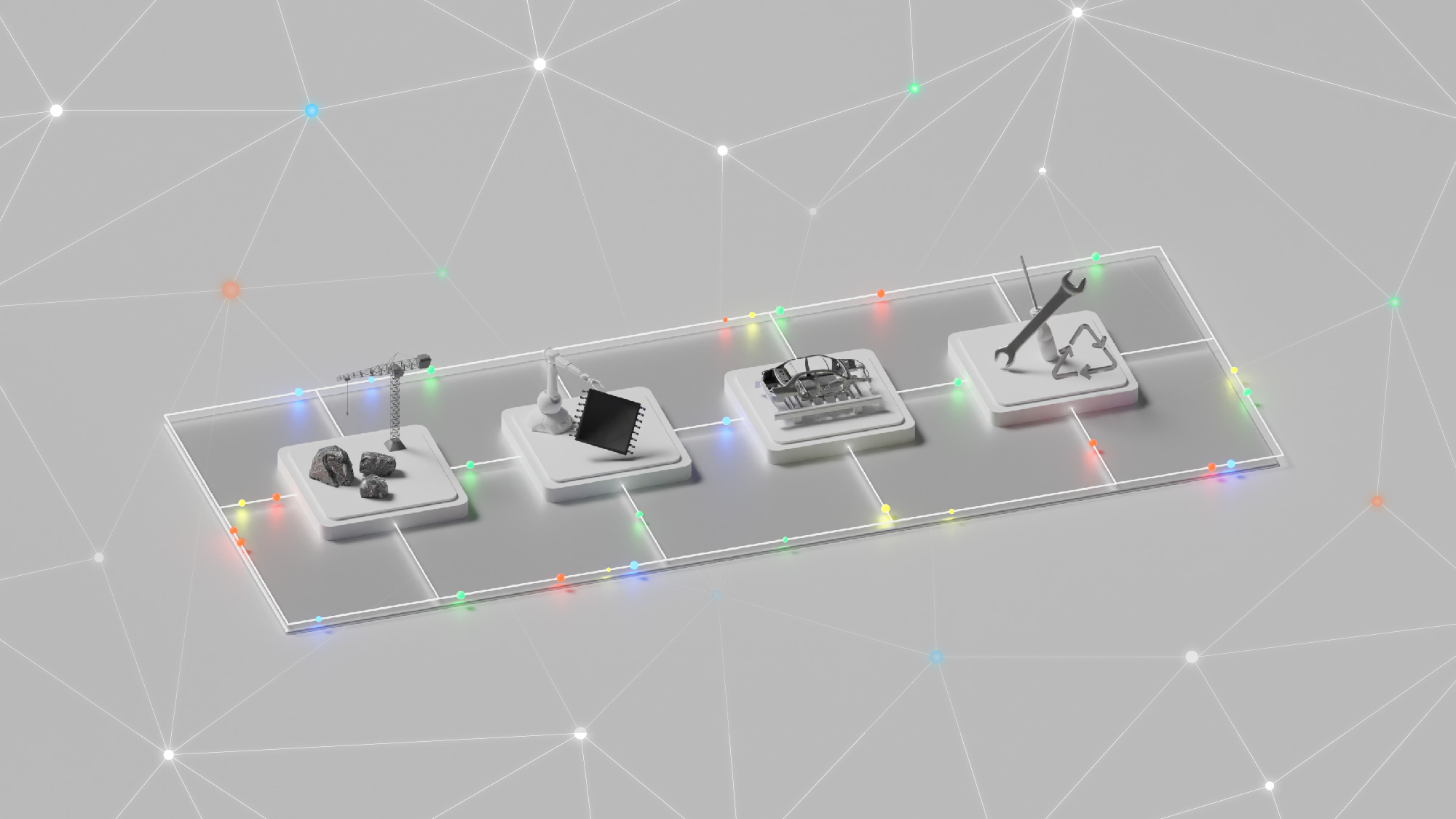
With the Siemens Xcelerator, the group uses digital twins to maximize the availability of rail systems, make optimal use of the infrastructure and enhance passenger comfort. Digitalization, networking and the use of artificial intelligence are the cornerstones of the transformation.
With the Siemens Xcelerator, the group uses digital twins to maximize the availability of rail systems, make optimal use of the infrastructure and enhance passenger comfort. Digitalization, networking and the use of artificial intelligence are the cornerstones of the transformation.Siemens Mobility
Which particularly urgent digital solutions in German rail transport should realistically be prioritized? Marc Ludwig: Passenger and freight rail transportation faces major challenges worldwide. The increasing demand for mobility due to urbanization and population growth – 68 percent of the world's population is expected to live in cities by 2050 – coincides with the goal of significantly reducing emissions in the transport sector. This sector currently accounts for around 23 percent of global greenhouse gases. Rail transport plays a key role as the most environmentally friendly means of transportation. In order to meet the challenges, we need solutions – above all digital solutions – to modernize rail transport. Siemens Mobility is well positioned worldwide in this area and is already the market leader with its products. The introduction and further expansion of modern control and safety technology such as the European Train Control System (ETCS) is particularly important in long-distance rail transport. ETCS digitalizes train control and increases efficiency and interoperability, especially for international connections. This will allow more trains to run on existing long-distance railway lines. Modernizing the infrastructure with ETCS makes long-distance transport future-proof. And what about local transport on short commuter routes? We are also pressing ahead with the modernization and digitalization of signaling technology in local rail transport. Communications-Based Train Control, CBTC, plays a key role in this: with CBTC, train traffic is monitored in real time and controlled with high precision. This means that metros and subway trains can run at much shorter intervals – and thus significantly increase capacity in metropolitan areas. In addition, with Signaling X, we have developed a cloud-enabled signaling solution that significantly increases system efficiency, capacity, and reliability in both metro and long-distance transport, enables energy savings, and ensures maximum safety. Signal boxes and other control and safety technology functions are virtualized and outsourced to cyber-secure rail data centers. This makes today's wired, trackside infrastructure redundant, which significantly reduces maintenance costs, for example, and makes operations more flexible and scalable. What can increase the chances of implementation? Germany is not yet at the level of other European countries when it comes to digitalization and modernization of the rail network – which is of course largely due to the size of the network. Nevertheless, there are European countries that have already digitalized more than half of their rail infrastructure, while Germany is currently at less than two percent. The expertise is available in the German railroad industry. Funding has also been provided. The task now is to accelerate implementation. This requires efficient processes and secure long-term investments in order to provide planning security to the industry. Siemens is a major technological partner in the rail system. What role does train equipment, for example, play in digitalization? So, first of all, we have cutting-edge technology on offer. This applies to both long-distance and local rail transport. This technology is already used worldwide. The focus is also on equipping rail vehicles with on-board units (OBUs), as these form the basis for future-proof and interoperable operation. The systematic retrofitting of trains with digital control systems is crucial to ensure that we can operate the lines efficiently and safely by 2035. At the same time, we focus on centralizing control functions in digital rail data centers in order to manage the network holistically, intelligently, flexibly, and sustainably. This is how we are shaping the rail infrastructure, making it fit for the future and creating the conditions for modern, efficient passenger transportation.

Vita Marc Ludwig

Marc Ludwig, CEO Rail Infrastructure, Siemens Mobility.
“We offer cutting-edge technology. The task now is to accelerate implementation. This requires efficient processes and secure long-term investments in order to give the industry greater predictability,” says Marc Ludwig, CEO Rail Infrastructure, Siemens Mobility.Siemens Mobility
Marc Ludwig has been CEO Rail Infrastructure at Siemens Mobility since June 2025. He graduated with a degree in mechanical engineering from RWTH Aachen University. He brings deep expertise in rail technology and infrastructure. Prior to his appointment as CEO, he had global responsibility for the Rail Infrastructure division. Ludwig's career at Siemens Mobility includes various management roles. From September 2024 to June 2025, he served as General Manager Commuter Rail Business, with international responsibility for commuter and regional trains. Prior to that, he led the global business segment for Communications-Based Train Control (CBTC) and conventional signaling technology in metros, light rail, and public transport. At the beginning of his career at the company, he was responsible for the global product portfolio and the project business in rail freight. Siemens Mobility, a separately managed company within the Siemens AG Group, is a leader in intelligent transportation solutions. The core areas include rail vehicles, rail automation, and electrification, a comprehensive software portfolio, turnkey systems, and services. In fiscal year 2025, Siemens Mobility generated revenue of 12.4 billion euros and employed around 43,400 people worldwide.
Read the next topicReinventing
the Wheel